
The YourDoc health library
Clear answers for everyday health
Written by health writers and kept up to date.
Type at least two characters to search.

Most read
In the last 7 days


Browse topics
See allNewest articles
See all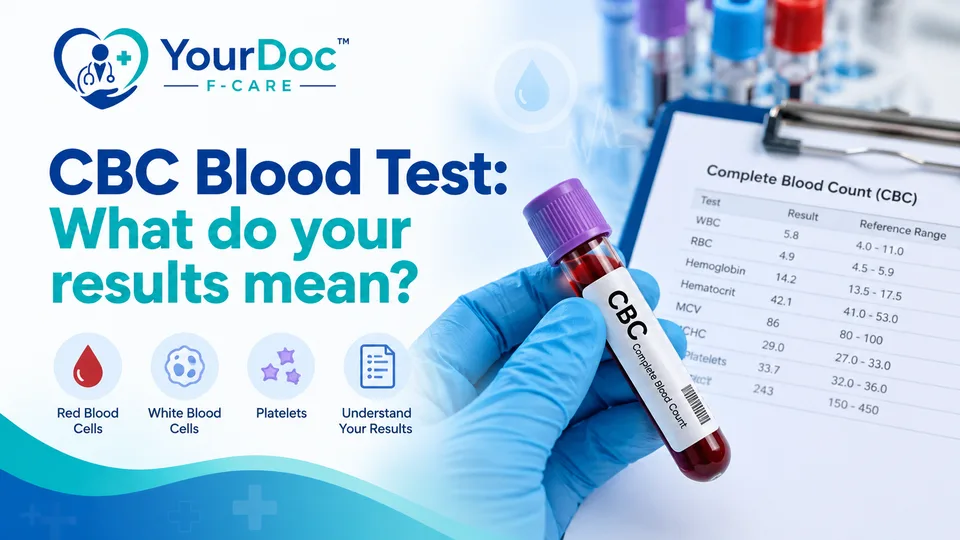
CBC Blood Test: What do your results mean?
You receive your blood test results. Suddenly there are lots of medical terms. You have Hb, RBC, WBC, MCV and platelets. Along with some of these you will have H’s and L’s next to numbers which can cause you to worry. The complete blood count (CBC) is a routine blood test used to determine the levels of various blood cells in your body. This can give doctors information about anaemias, infections and bleeding disorders.
Nosebleed: Causes, First aid and Warning signs
A nosebleed can occur at any time whilst at work, on the move or even when blowing your nose due to a cold. Many will automatically lean their head back or insert a piece of tissue into their nose. However, this may cause more problems. Most nose bleeds are caused by slight irritation and can be treated at home. Knowing what to do when you have a nosebleed and what not to do will help you stop the bleeding safely.
Paracetamol guide: Uses, overdose risks and precautions
Most of us have taken paracetamol at some point, whether for a headache, fever or those annoying body aches that make even a normal day feel exhausting. It's a familiar medicine, often kept in the home and used without much thought. But even a common medicine needs a little care. Taking too much paracetamol or accidentally combining it with another medicine containing the same ingredient can cause serious liver damage.

Fever: Causes, symptoms and treatment
"It's nothing but a fever." A fever is generally a sign that your body is fighting off some kind of infection and typically goes away as soon as the source of the infection has been dealt with. However, if you have a very high or lingering fever, or if it is accompanied by other serious symptoms, you should call your doctor.
What to do if someone faints: First aid guide
Imagine you are in a queue, sitting at work or chatting to a friend when, suddenly, the person next to you turns white and faints. For a few seconds, everyone starts panicking. Someone gets a bottle of water out. But those first few seconds after someone faints can be critical and a composed, simple response can prevent the victim from sustaining a second injury and, crucially, can determine if there is something more serious going on.
Explore by section

How our articles are made
How we check articlesEvery article goes through the same careful steps before it reaches you.
Written by health writers
Writers explain one topic at a time in plain words, with sources for what they say.
Checked for patient details
An article that contains a patient’s phone number, email address or ID number cannot be published.
Taken down if it may be unsafe
If a problem is found, the article comes off the website at once and stays off until it is put right.
Dated and kept current
Each article shows when it was last updated.

Health articles in your inbox
A short email when new articles are published. Unsubscribe at any time.