Paracetamol guide: Uses, overdose risks and precautions
Most of us have taken paracetamol at some point, whether for a headache, fever or those annoying body aches that make even a normal day feel exhausting. It's a familiar medicine, often kept in the home and used without much thought. But even a common medicine needs a little care. Taking too much paracetamol or accidentally combining it with another medicine containing the same ingredient can cause serious liver damage.
On this page
So, before reaching for the next tablet, here's a closer look at what paracetamol does. And when it's used, its possible side effects and the precautions worth knowing.
What is paracetamol used for?
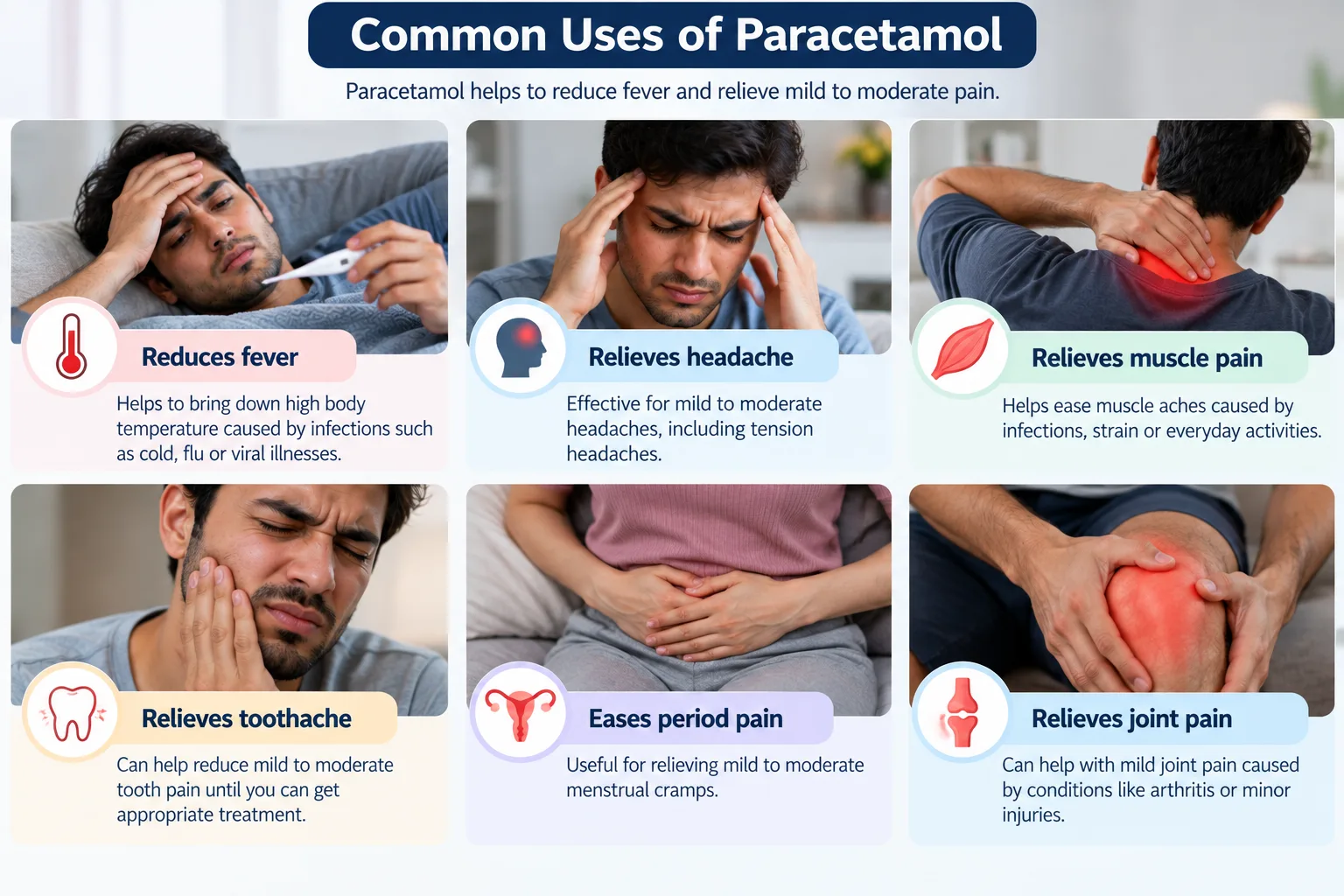
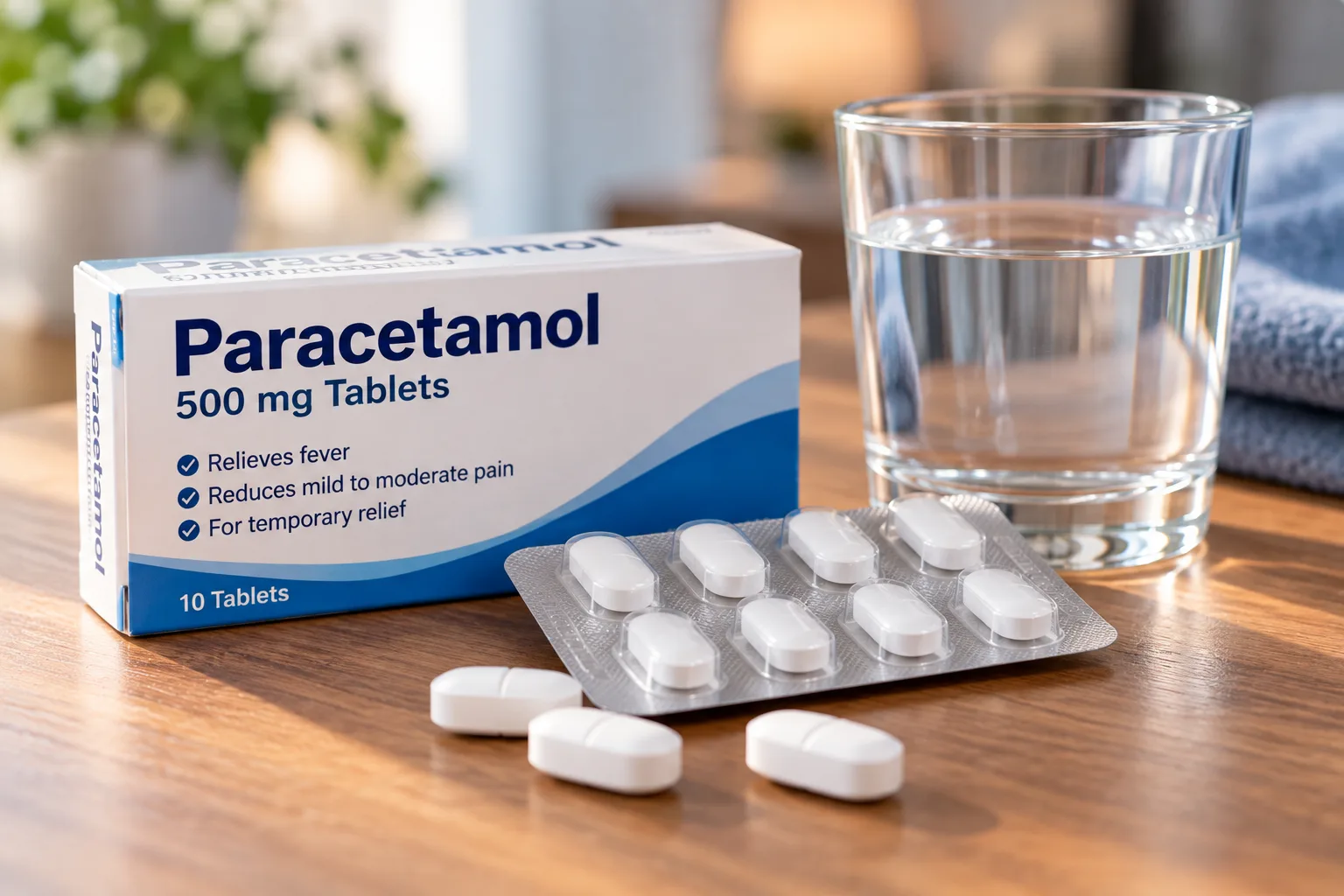
Paracetamol is primarily used to relieve pain and reduce fever. It is commonly used to treat minor pains due to a headache, toothache, period pain, muscular aches and discomfort associated with colds or flu.
Some common reasons for taking paracetamol tablets are:
- Headaches
- Toothache
- Period pain
- Muscle and body aches
- Pain associated with colds or flu
- Fever
It should be noted that paracetamol can help with managing pain or reducing a fever, but it cannot treat the cause of an infection. For example, it will not treat the virus causing a cold.
How does paracetamol work?.
Paracetamol mainly acts on the central nervous system, relieving pain and reducing a high body temperature. This makes it different from other medications primarily designed to reduce inflammation. The drug is primarily used as an analgesic and antipyretic, and not as an anti-inflammatory.
For a simple headache or fever, this difference might not be apparent. But it can become crucial in determining which medication to choose and in choosing the right dose if a person takes other drugs.
What side effects can paracetamol cause?
As per most usual cases, there are no negative side effects when paracetamol is properly dosed and taken. Still, there are some undesired effects that could appear when the drug is used.
It could cause heartburn, nausea, stomach pain, loss of appetite, or skin rashes. If these minor side effects appear, there is no reason to worry since they usually disappear on their own.
Yet, the serious ones require immediate medical assistance.
When should a reaction be taken seriously?
Symptoms of an allergic reaction may include swelling of the face, lips, tongue or throat, difficulty breathing, severe dizziness or fainting. These are all symptoms that require immediate medical attention.
Other symptoms that may suggest that you have had an overdose or there is some liver toxicity include jaundice (yellowing of the eyes or skin), dark urine or severe abdominal pain.
These are not common side effects of paracetamol but are important symptoms to look out for.
The bigger concern is taking too much
One of the important aspects of paracetamol is that the increased doses do not make it work faster.
In addition, an overdose may lead to severe liver damage since the enhanced intake of the drug might have a toxic effect on the organ. Moreover, one should be aware that with an increased intake, the clinical manifestations of poisoning appear later. Therefore, in case of suspected overdose, hospitalization is required even if the person feels fine at the moment.
It is critical to follow the recommended dosing instructions and the interval between the doses. In case of intentional or incidental overdose, it is better to call the doctor instead of waiting for the clinical manifestations of poisoning. Furthermore, a cautious approach to paracetamol administration is required in patients with chronic liver disease or those who consume alcohol frequently.
Check the other medicines being taken
It is a very common mistake to take paracetamol for a headache and then to have a cold or flu and take some kind of cold or flu remedy that also contains paracetamol.
As a result, someone could be taking more paracetamol than they should. This can happen very easily with combination medicines that contain various different ingredients.
Someone might not notice that the medicine they are taking also contains paracetamol. The painkiller could be an ingredient that is not obvious at a glance. It is important to check what the active ingredients are in any other painkiller, cold or flu medicine before taking them with paracetamol.
What about children and pregnancy?
Paracetamol is also used in children, but the right amount depends on the child's age and weight and the medicine form.
The liquid preparation can vary in concentration, so a certain volume of two different medicines may contain a different amount of paracetamol. That is why children's medicines must be measured out carefully in accordance with the instructions or medical advice.
During pregnancy, paracetamol should also be used appropriately and in the recommended dose. If there is doubt about the need to use it, or the doctor's advice is unclear, it is better to consult a specialist.
When is it better to speak to a doctor?
Paracetamol can provide relief for an occasional headache, fever or minor ache, but it is not always the whole answer. Medical advice may be needed for severe pain or fever, pain or fever that is persistent or lasts longer than expected or pain that occurs with other troubling symptoms.
It is also a good idea to seek medical advice if you are unsure of the correct dosage, are taking other medications or suspect that you may have taken an overdose. Sometimes the important issue is not just whether paracetamol can help, but why the symptom is occurring in the first place.
How YourDoc can help with medication questions
Medication questions can be confusing when symptoms, existing drugs, and individual circumstances all require consideration together.
YourDoc's Jivika is designed to collect health information in the form of text, voice or images, and ask targeted questions based upon the information given. Safety checks are embedded into the process prior to a clinical recommendation being made.
Should a doctor be required, the patient's clinical context can be reviewed as part of their consultation. With relevant information and attachments available accordingly as per the care flow.
Medication ordering is also decoupled from the clinical decision. Approved medicines can be fed into the ordering flow, where prescription requirements, stock and serviceability can be checked prior to fulfilling the order.
The takeaway
Paracetamol is something that most people are familiar with, regularly use and generally find rather effective. However, sometimes the more common something can be the more dangerous one.
Knowing the common paracetamol tablet uses, alongside recommended dosages and cross-referencing ingredients in other medicines can prevent potentially harmful mistakes. Similarly, knowing when a persistent, severe or otherwise abnormal symptom is presenting itself can dictate whether treating the symptom is enough.
A medicine commonly found in the average household still requires the same level of care and attention as any other medication.
Topics
Related reading
Nosebleed: Causes, First aid and Warning signs
A nosebleed can occur at any time whilst at work, on the move or even when blowing your nose due to a cold. Many will automatically lean their head back or insert a piece of tissue into their nose. However, this may cause more problems. Most nose bleeds are caused by slight irritation and can be treated at home. Knowing what to do when you have a nosebleed and what not to do will help you stop the bleeding safely.
Fever: Causes, symptoms and treatment
"It's nothing but a fever." A fever is generally a sign that your body is fighting off some kind of infection and typically goes away as soon as the source of the infection has been dealt with. However, if you have a very high or lingering fever, or if it is accompanied by other serious symptoms, you should call your doctor.
What to do if someone faints: First aid guide
Imagine you are in a queue, sitting at work or chatting to a friend when, suddenly, the person next to you turns white and faints. For a few seconds, everyone starts panicking. Someone gets a bottle of water out. But those first few seconds after someone faints can be critical and a composed, simple response can prevent the victim from sustaining a second injury and, crucially, can determine if there is something more serious going on.
This article is for general information. It is not a diagnosis or a substitute for a doctor’s advice. In an emergency call 112 or 108.