
Your health, our priority

Health library

Health topics

Browse every topic in the library.

    • Nosebleed: Causes, First Aid and Warning Signs
      Condition

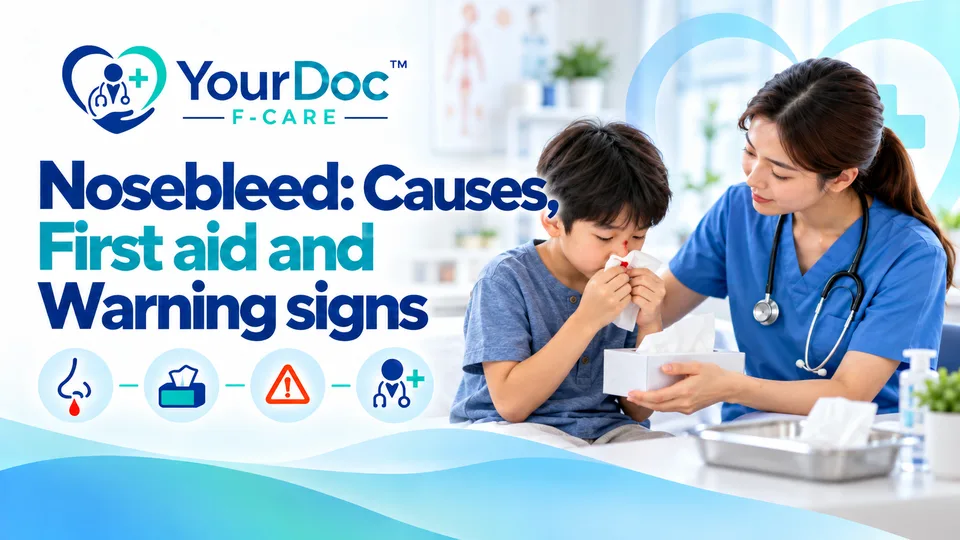
      Nosebleed: Causes, First aid and Warning signs

      A nosebleed can occur at any time whilst at work, on the move or even when blowing your nose due to a cold. Many will automatically lean their head back or insert a piece of tissue into their nose. However, this may cause more problems. Most nose bleeds are caused by slight irritation and can be treated at home. Knowing what to do when you have a nosebleed and what not to do will help you stop the bleeding safely.
      By YourDoc

      4 min read
    • Paracetamol: Uses, over dose risks and precautions
      Medicine

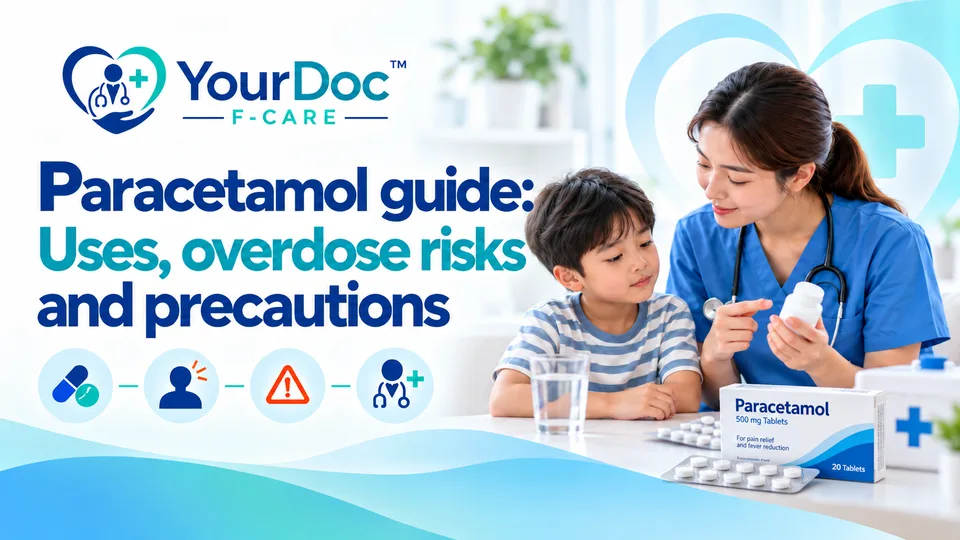
      Paracetamol guide: Uses, overdose risks and precautions

      Most of us have taken paracetamol at some point, whether for a headache, fever or those annoying body aches that make even a normal day feel exhausting. It's a familiar medicine, often kept in the home and used without much thought. But even a common medicine needs a little care. Taking too much paracetamol or accidentally combining it with another medicine containing the same ingredient can cause serious liver damage.

      By YourDoc

      6 min read
    • Fever: symptoms, causes and treatment
      Condition

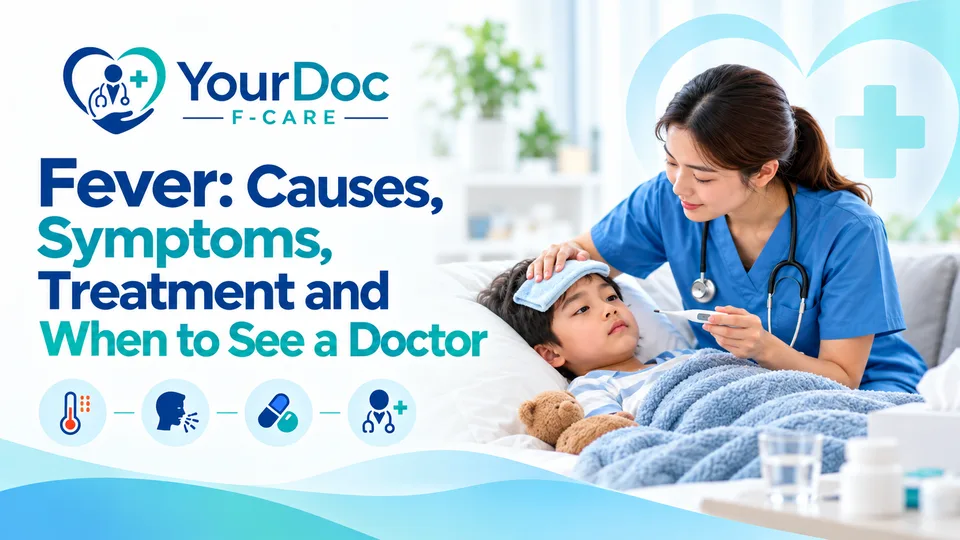
      Fever: Causes, symptoms and treatment

      "It's nothing but a fever." A fever is generally a sign that your body is fighting off some kind of infection and typically goes away as soon as the source of the infection has been dealt with. However, if you have a very high or lingering fever, or if it is accompanied by other serious symptoms, you should call your doctor.

      By YourDoc

      6 min read
    • What to do if someone faints
      First aid

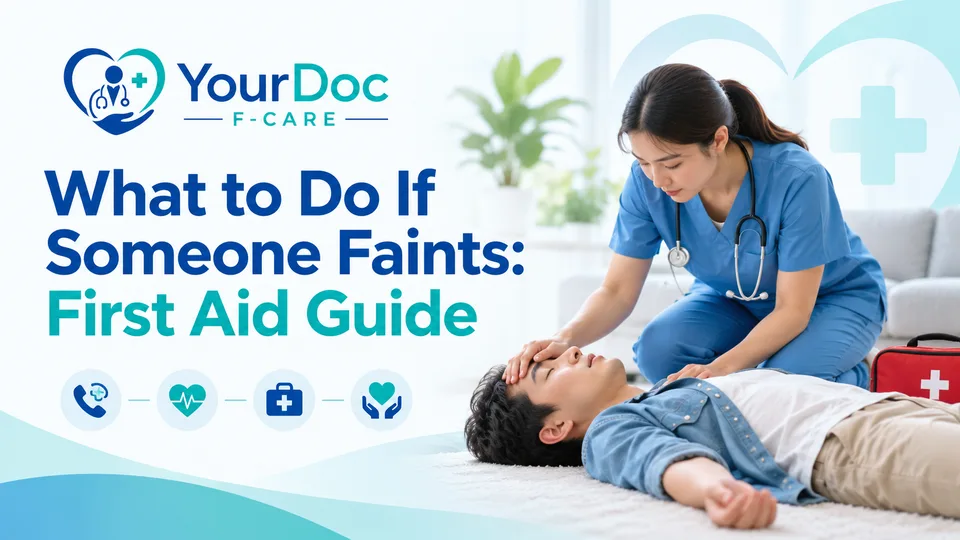
      What to do if someone faints: First aid guide

      Imagine you are in a queue, sitting at work or chatting to a friend when, suddenly, the person next to you turns white and faints. For a few seconds, everyone starts panicking. Someone gets a bottle of water out. But those first few seconds after someone faints can be critical and a composed, simple response can prevent the victim from sustaining a second injury and, crucially, can determine if there is something more serious going on.

      By YourDoc

      6 min read